Sibyl: Predictive Maintenance for Industrial Washing Machines
Industrial washing machines are crucial for sanitation in hospitals and hotels, but maintenance specialists are few and far between.
Project Specs
Timeline: 10 weeks
Deliverable: product concept
My role: design researcher, systems designer, visual designer, illustrator
Skills: IBM enterprise design thinking, user research, journey mapping, storyboarding, storytelling
Tools: Adobe Illustrator
Team: Lindsey Thompson, Will Kuglen, Tess Horany, & Katherine Kytka
Special thanks to our mentors: Brooks Protzmann, Doug Powell, & Devin O’Bryan
How might we streamline the repair process for industrial washing machine maintenance specialists and reduce pain for the machine facility owners?
“You want us to look at washing machines?”
On the first day of UT’s inaugural classroom partnership with IBM, we were shuttled to IBM’s Austin campus and told we would be receiving a design challenge. Each of us was placed in an interdisciplinary team, and each team was given a topic. My team was assigned … industrial washing machines. Huh?
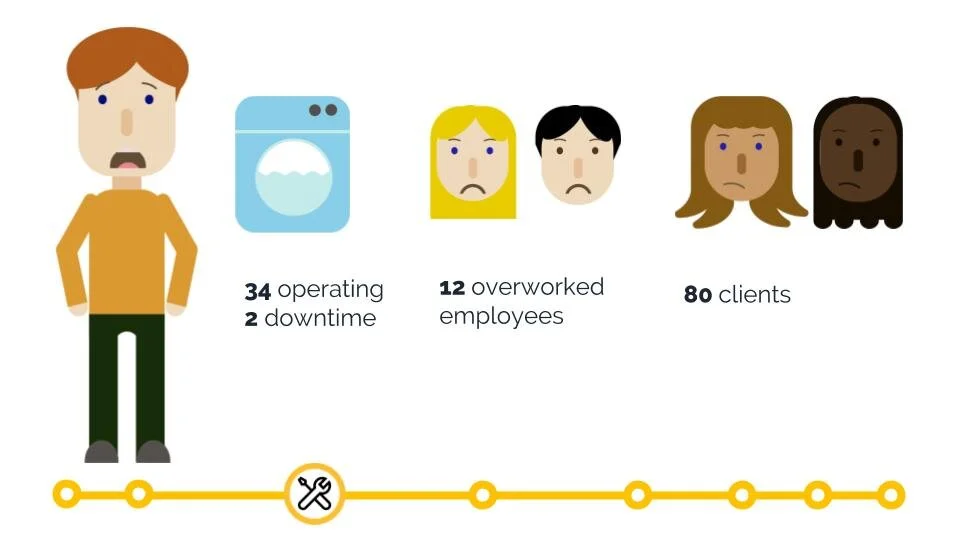
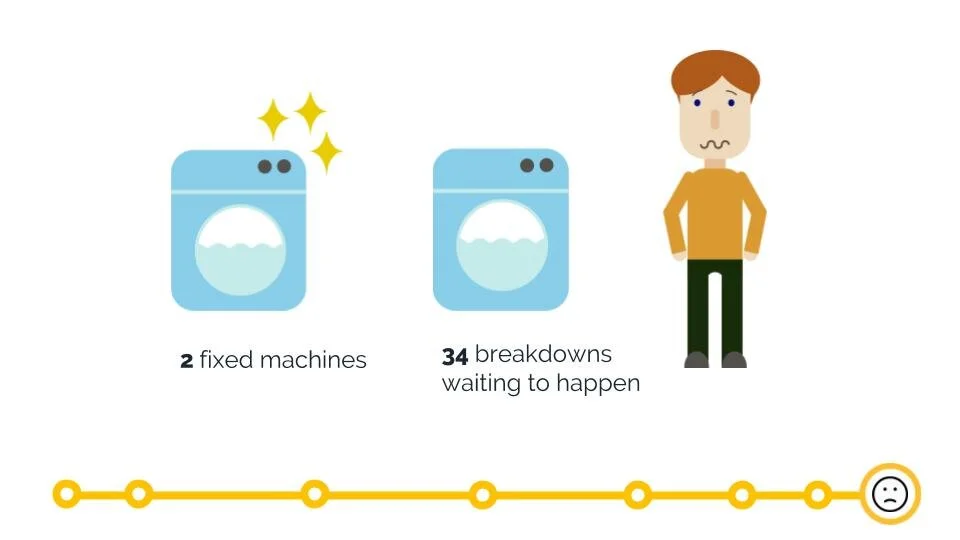
As it turns out, maintenance issues for industrial washing machines are common, but maintenance specialists in Central Texas are scarce. This leads to loss of time and money, overworked employees, late deliveries, and the risk of losing customers. We had 10 weeks to research the problem and propose a solution, meanwhile following IBM’s Enterprise Design Thinking.
Championing Our User
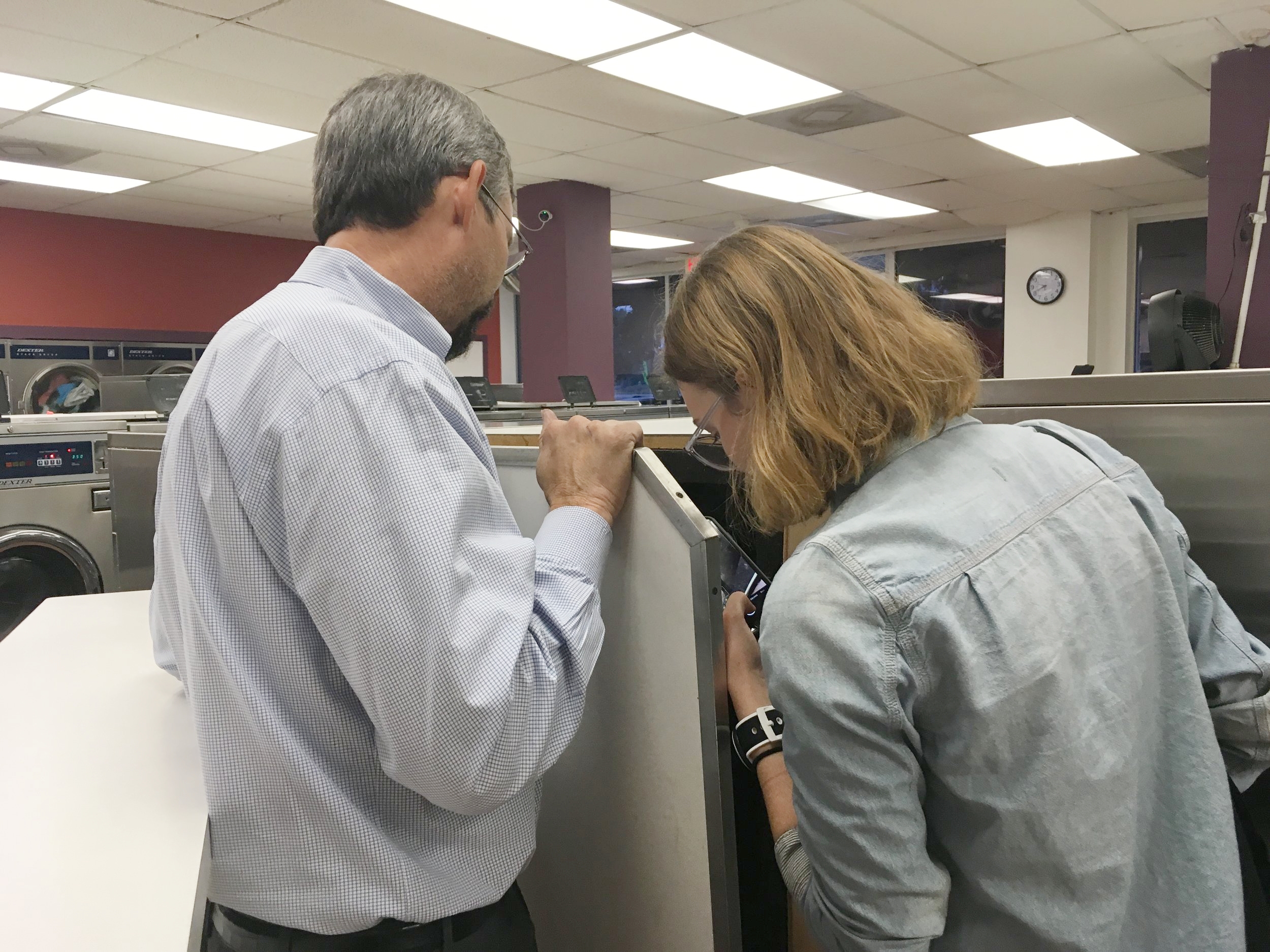
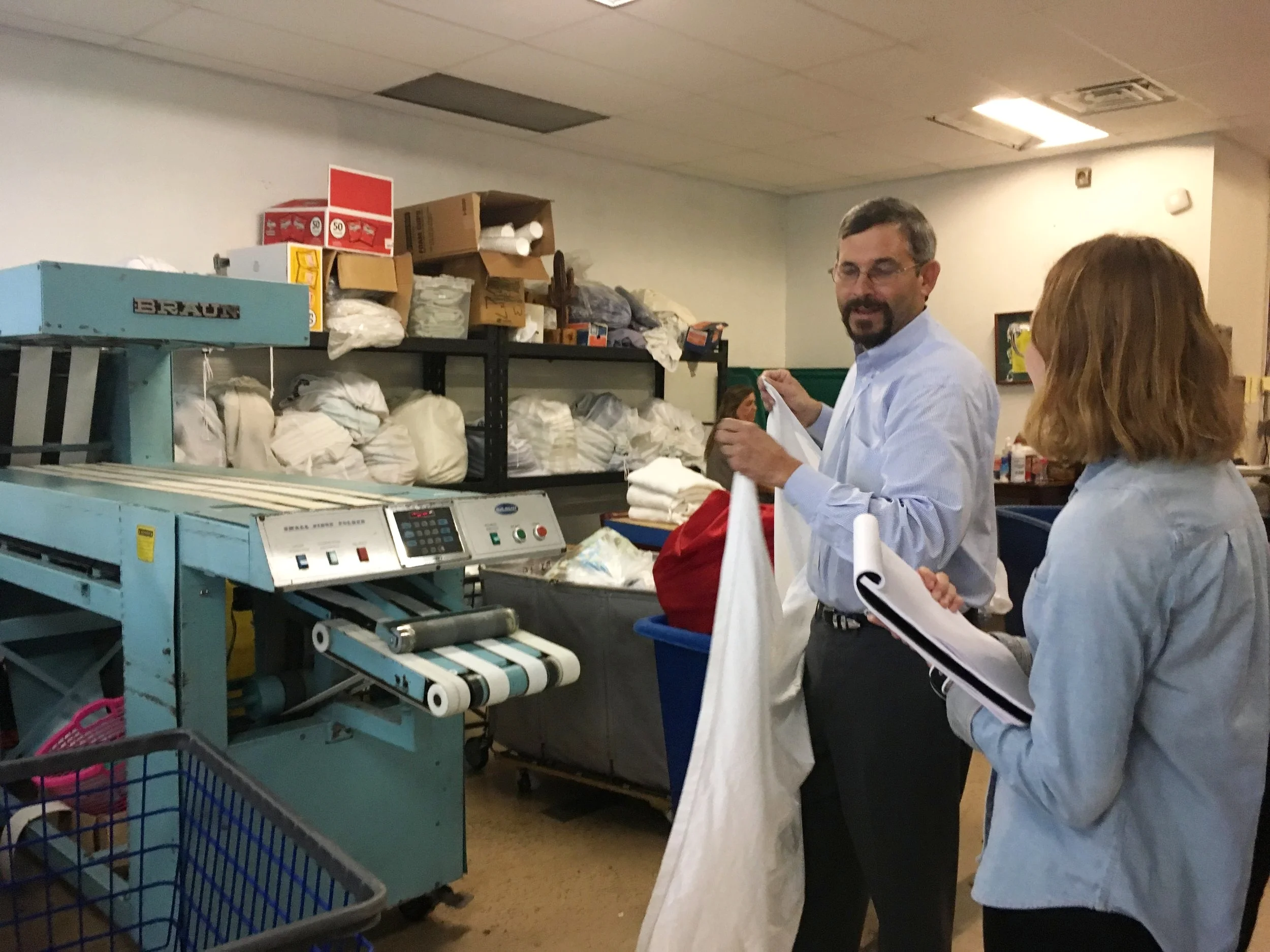
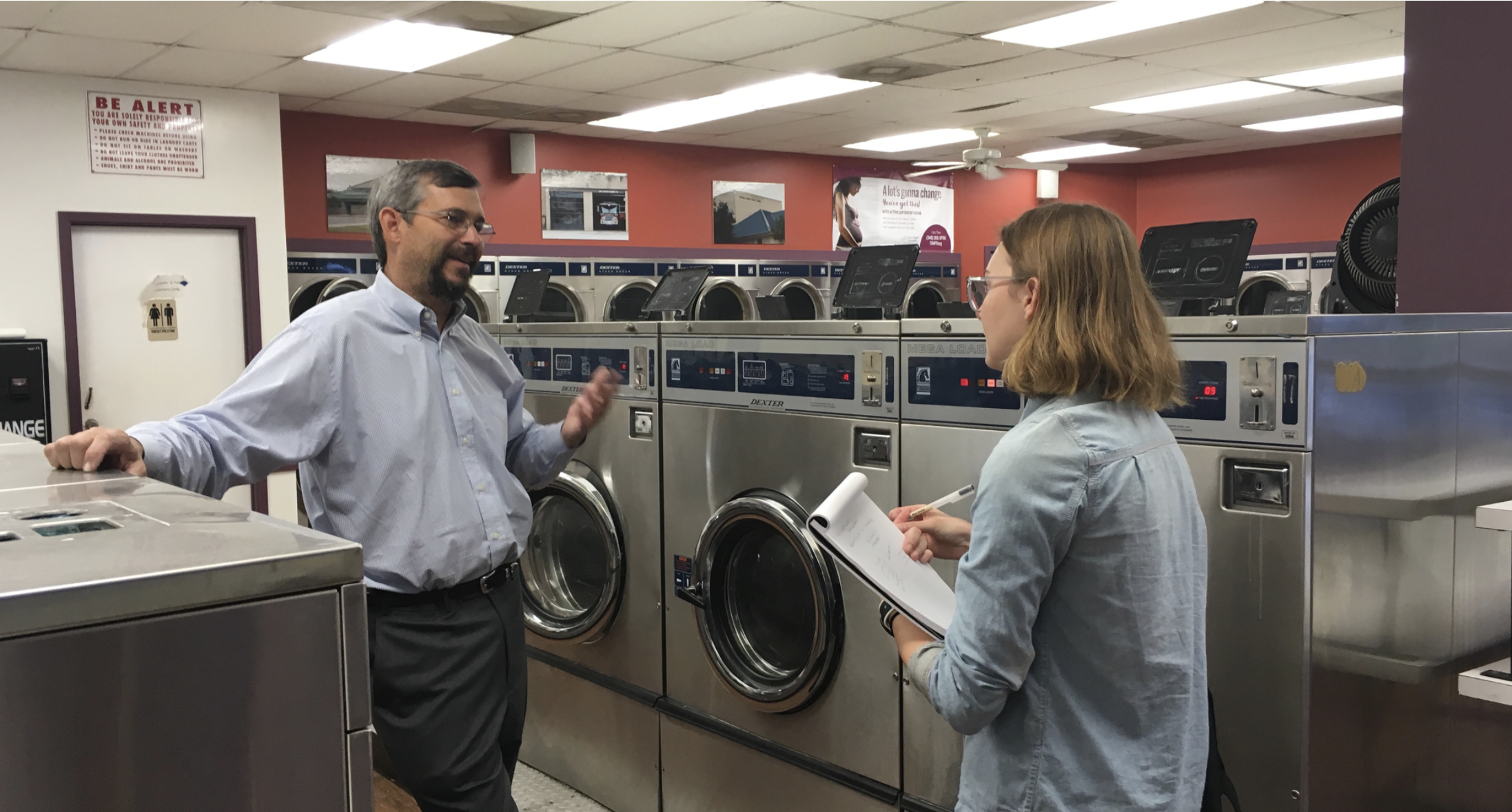
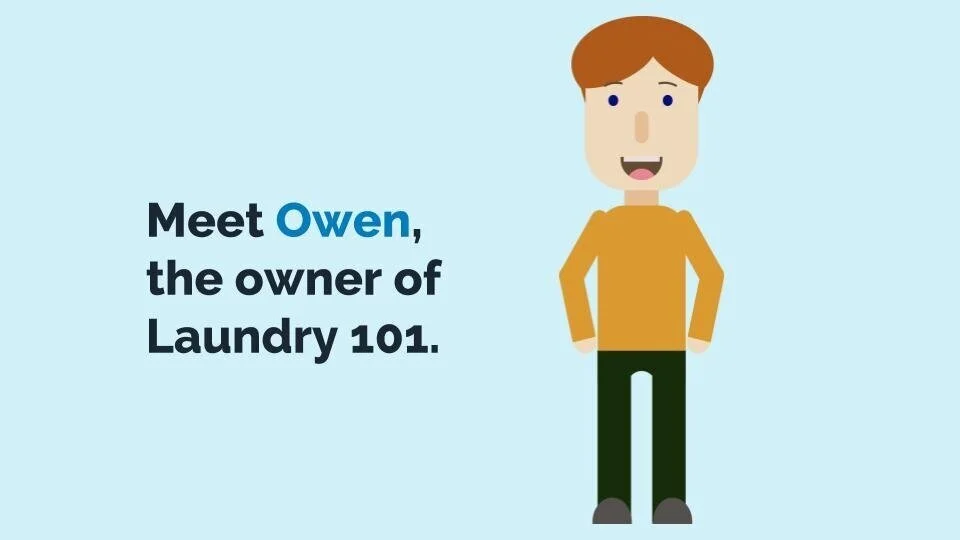
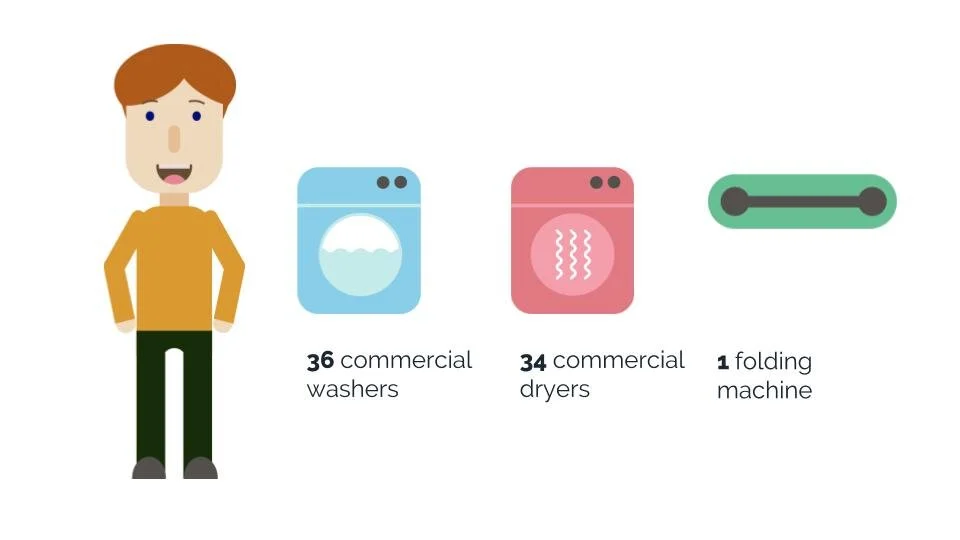
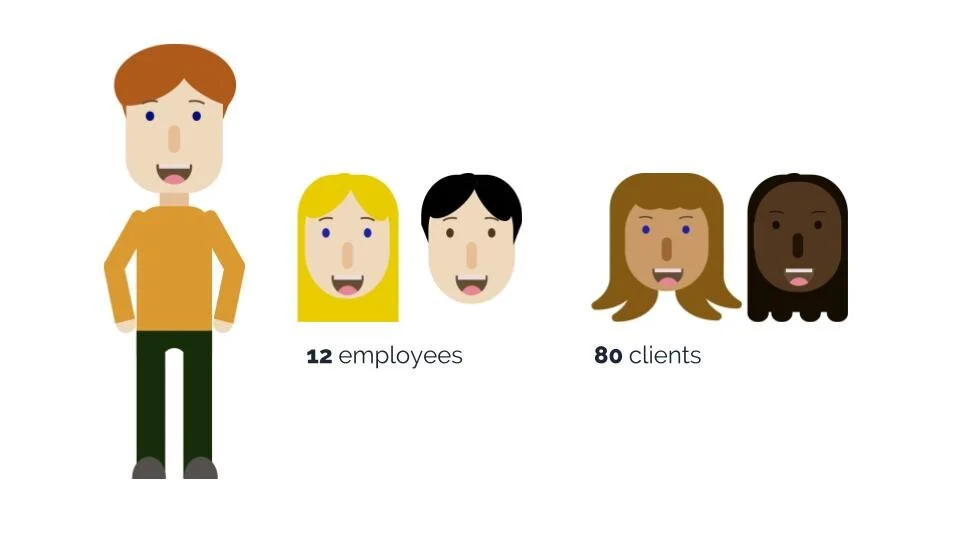
A site visit to a laundromat propelled our project by giving us a user to champion. We interviewed “Owen the Owner” who gave us critical information about three problems with his business.
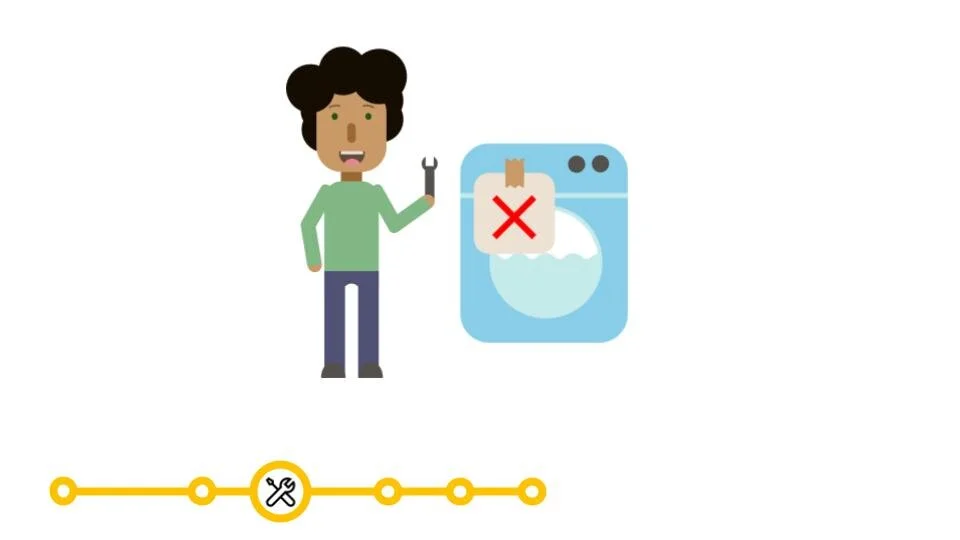
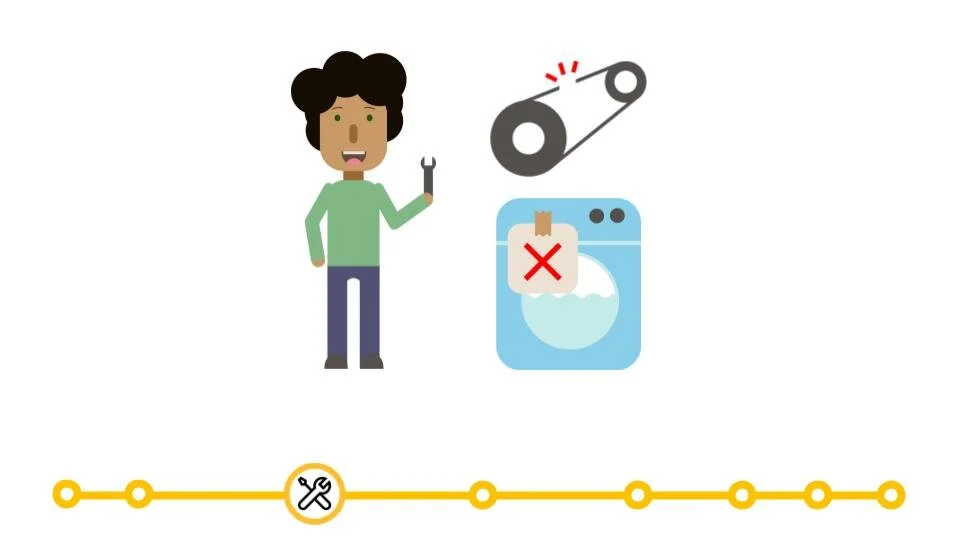
Maintenance records for Owen’s machines were not digitized, but instead kept on a note card inside the machine.
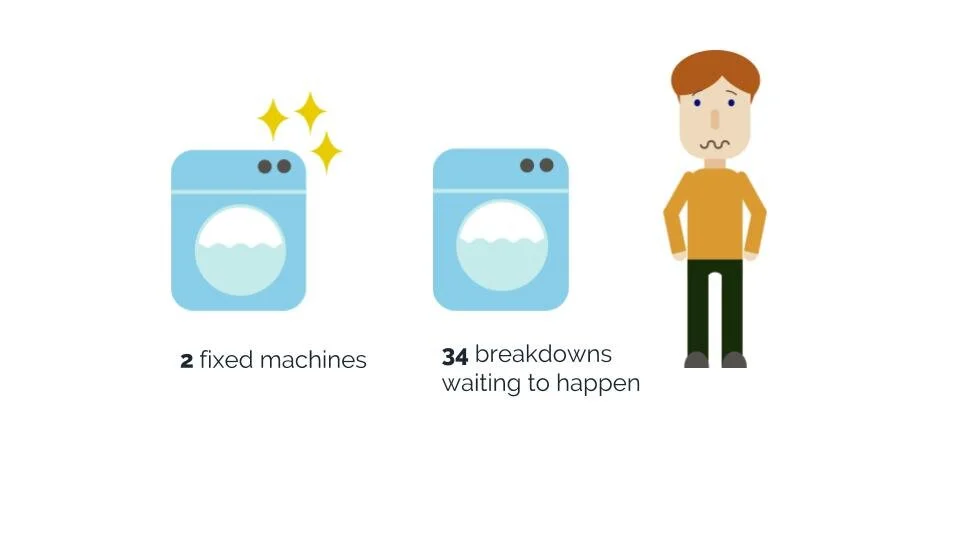
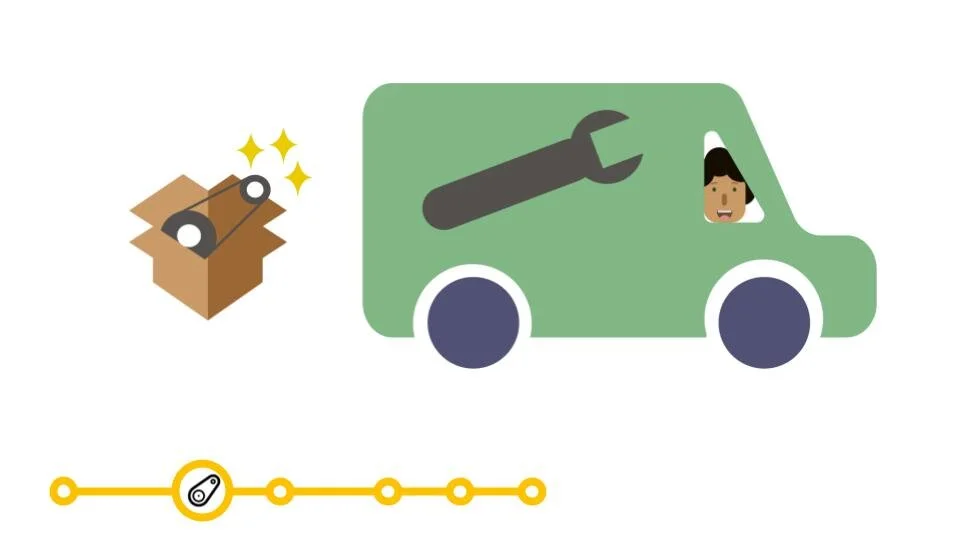
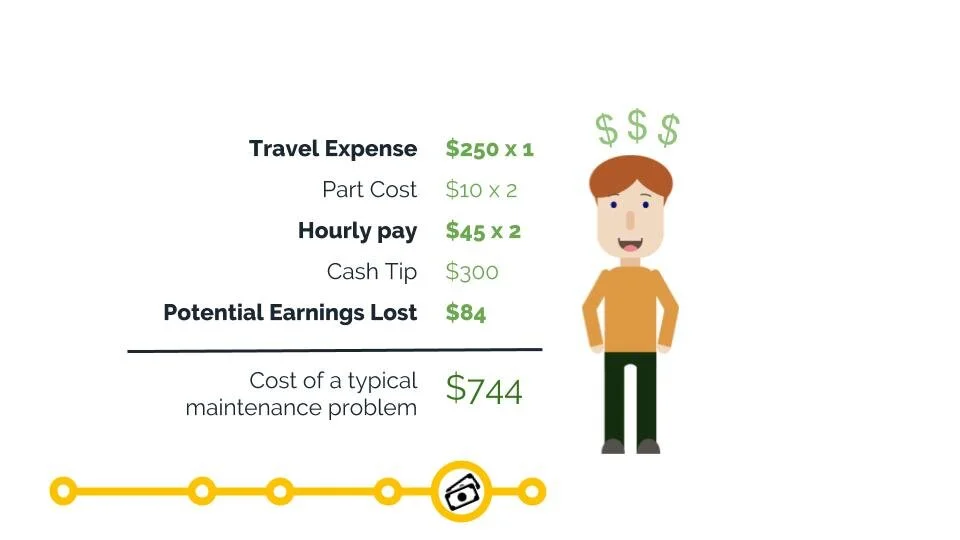
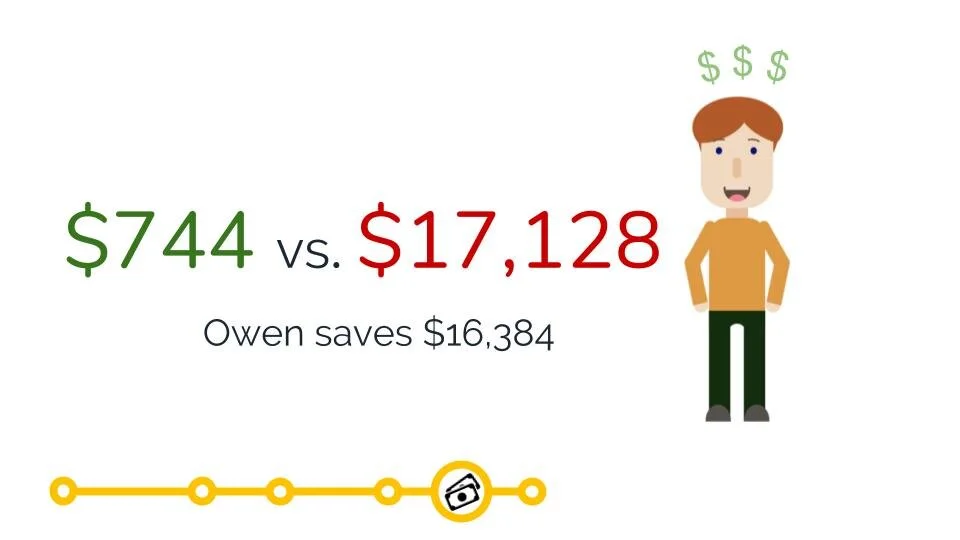
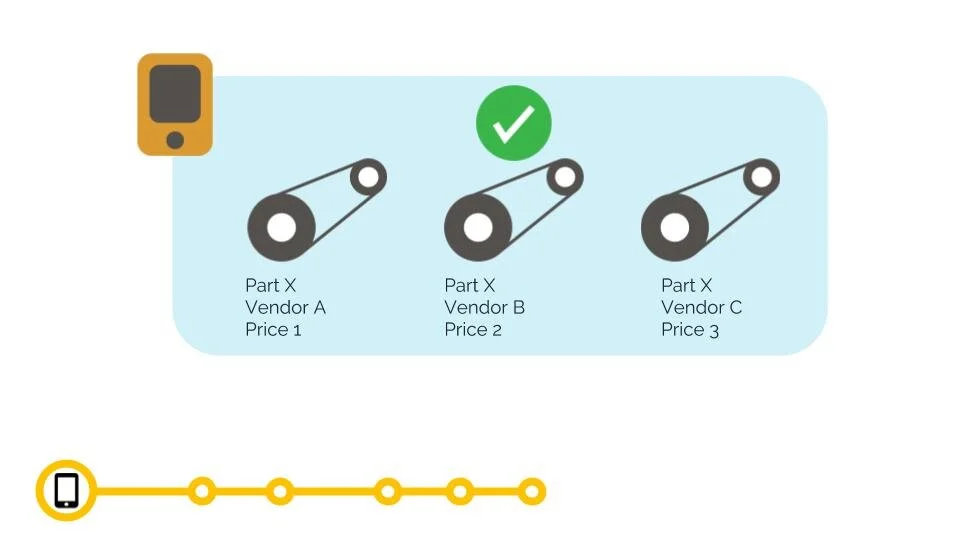
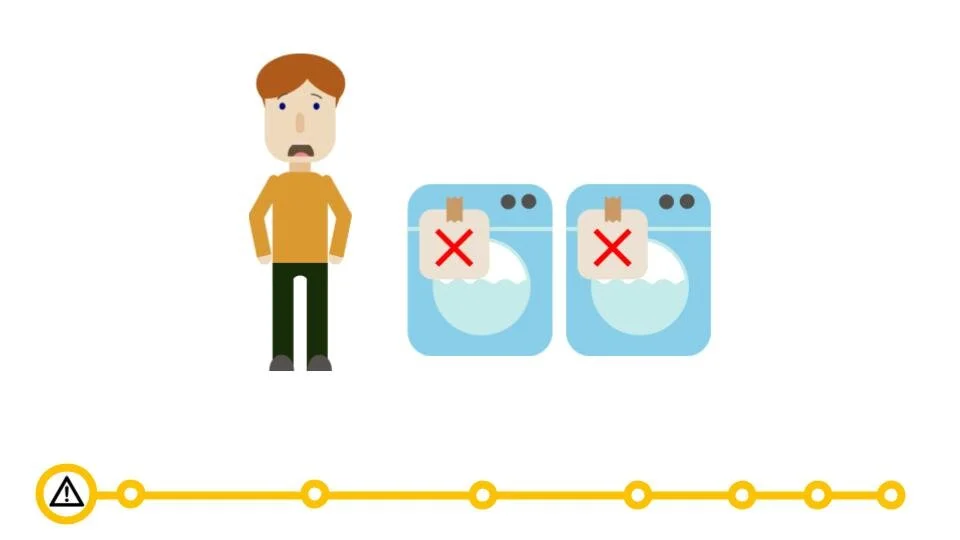
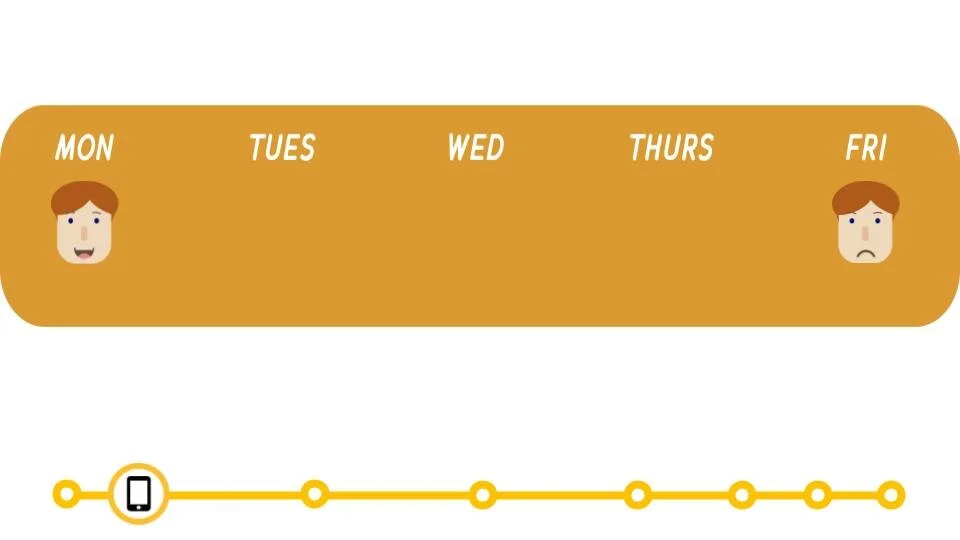
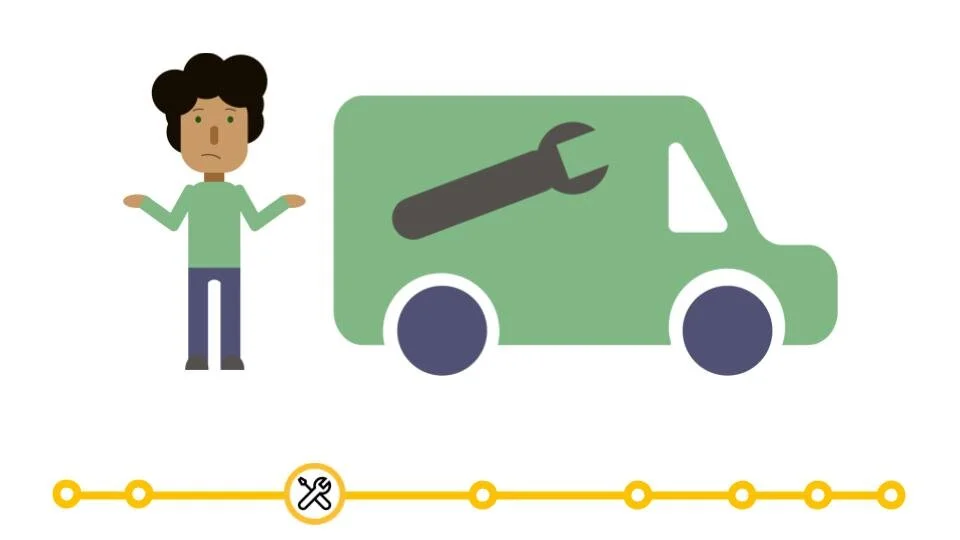
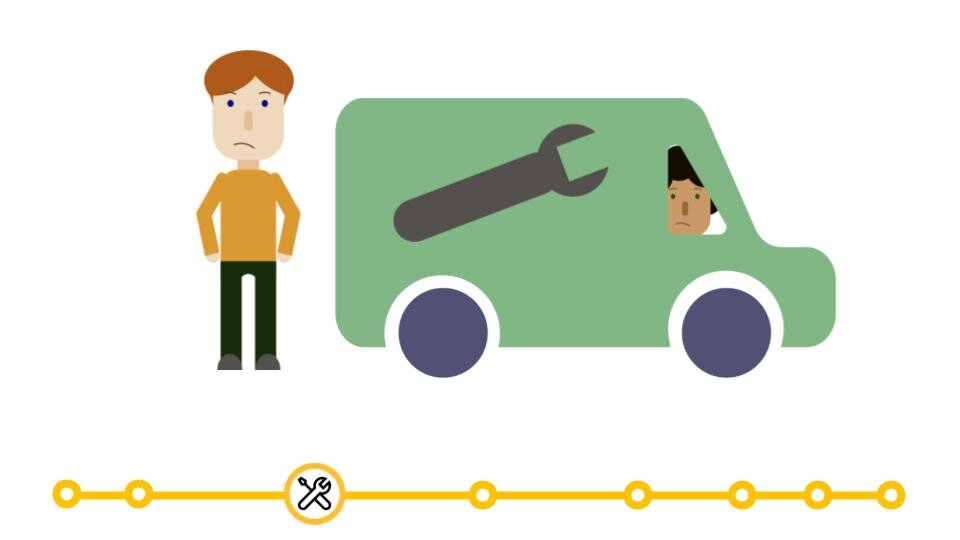
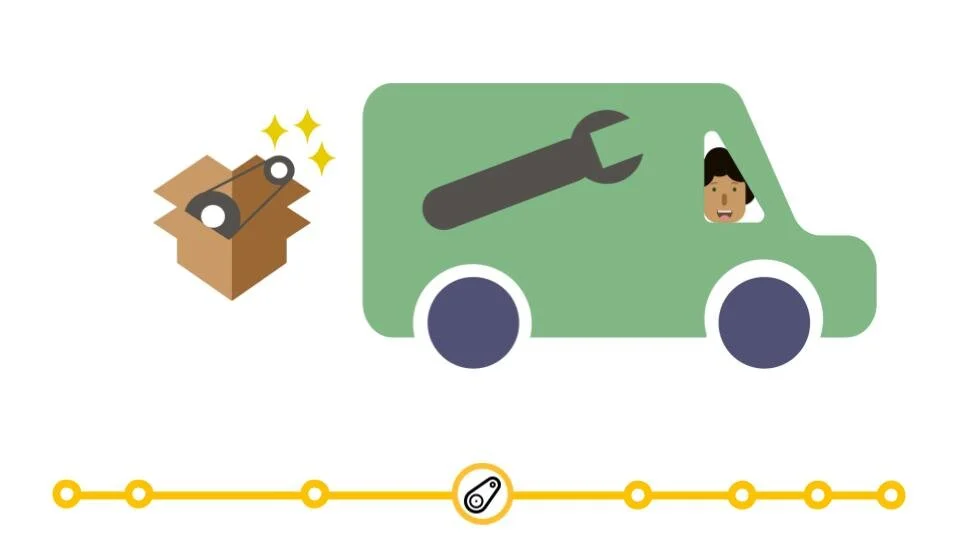
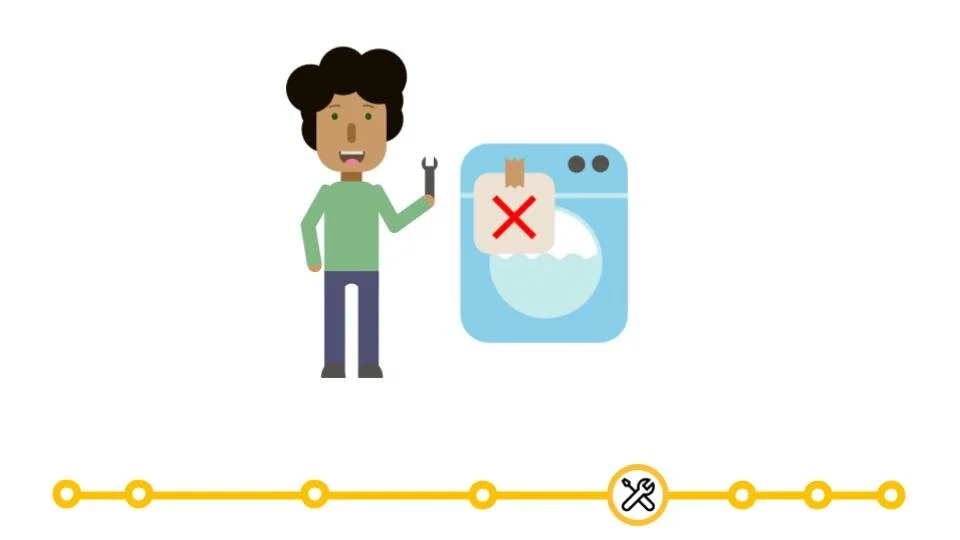
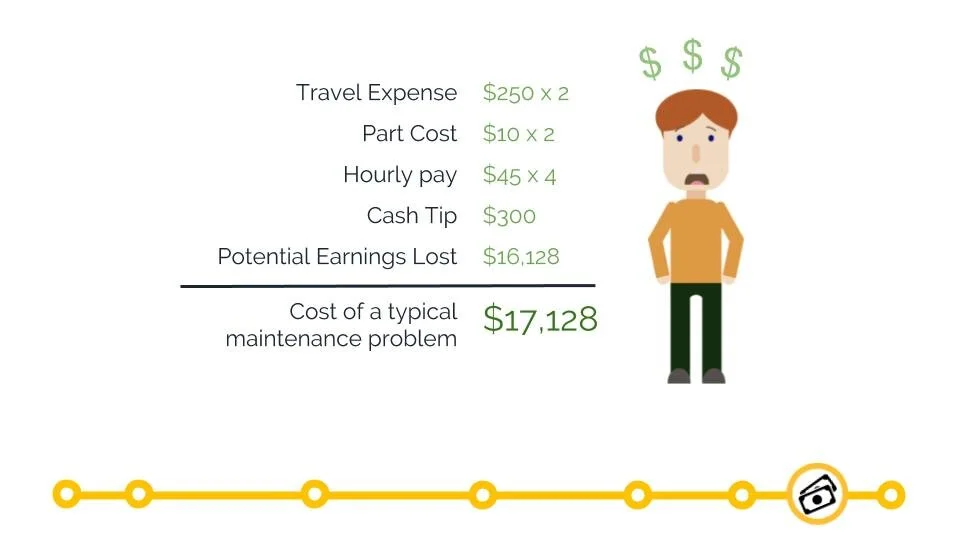
In the event of a breakdown, Owen might not know the machine isn’t working until several days later, since he is busy managing multiple locations. When he does learn of a breakdown, he schedules a maintenance visit, which could take up to several weeks. Even then, the specialist might not have the needed part on hand, resulting in more machine downtime. It’s not uncommon for Owen to tip his specialists hundreds of dollars to keep a good relationship in hopes of his repairs ending up at the top of the list.
In the worst case scenario, undetected machine malfunction can cause a fire to burn down the facility, and this actually happened to one of Owen’s former locations.
An Engine Light for Your Washing Machine
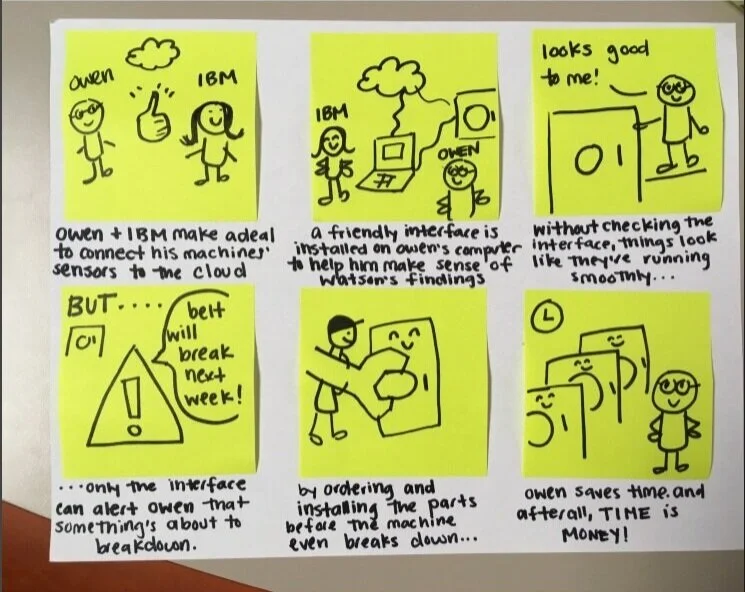
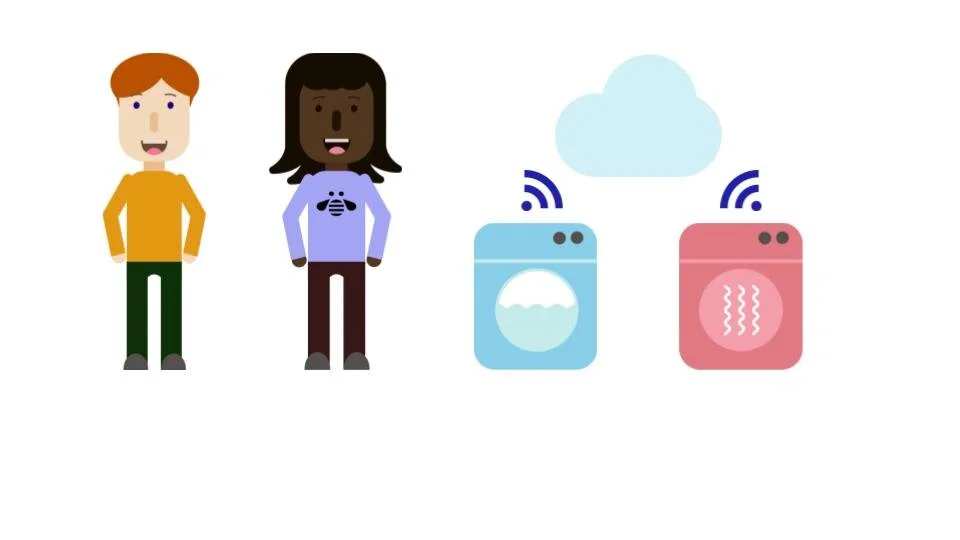
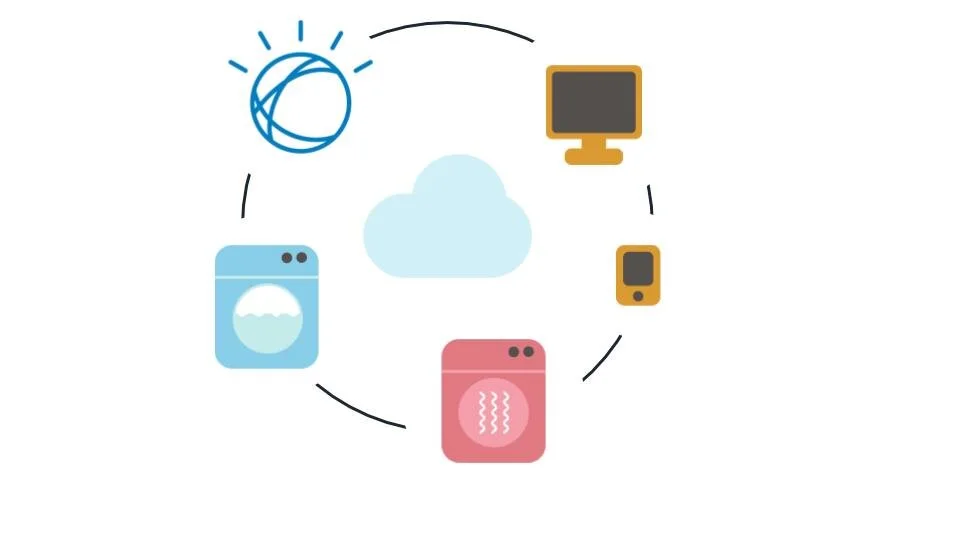
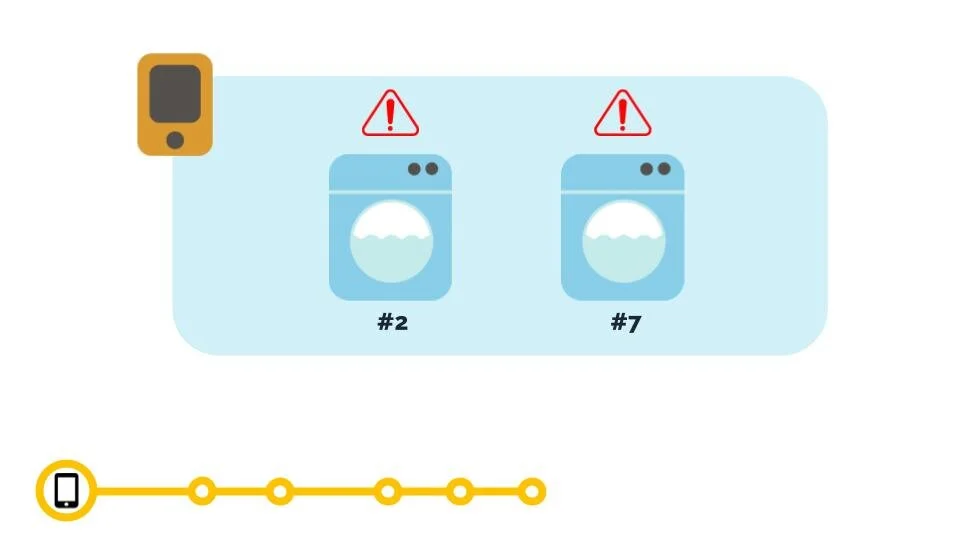
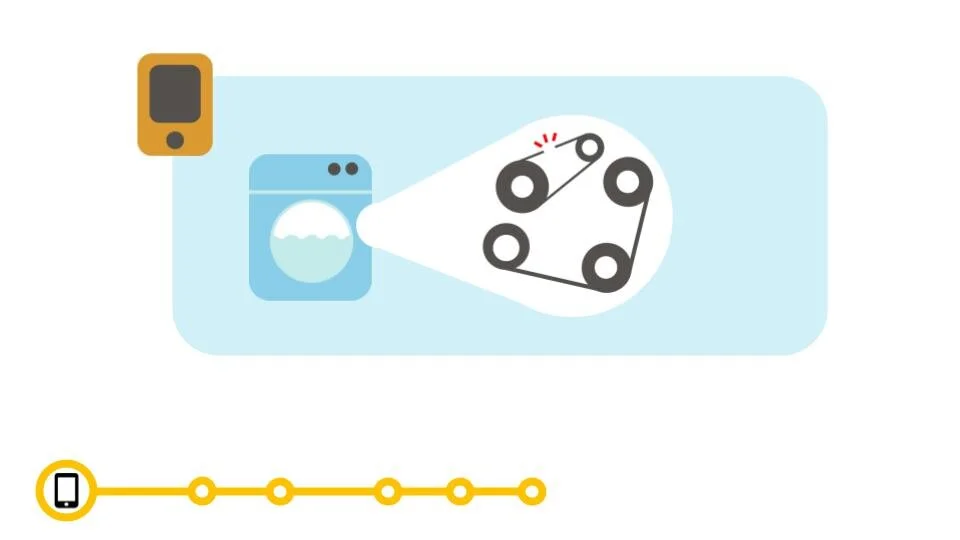
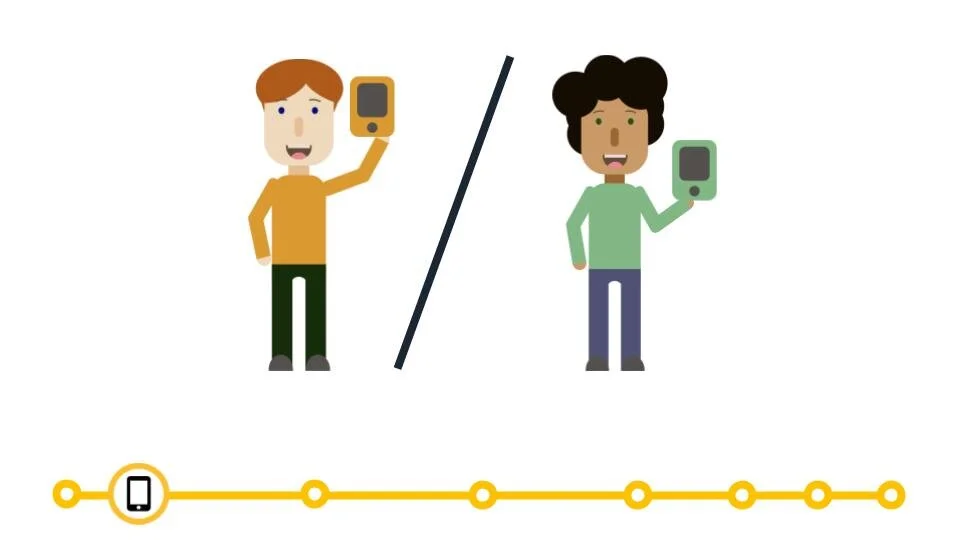
To address Owen’s pain points, we decided to propose a predictive maintenance approach. What if our solution could be like your car’s engine light: it lets you know about breakdowns before they happen, so you don’t end up stranded. Sensors could be installed in the machines, connected to the IBM Cloud, pull data from the machines, and send it to IBM Watson for interpretation and next steps.
Imagining the Interface
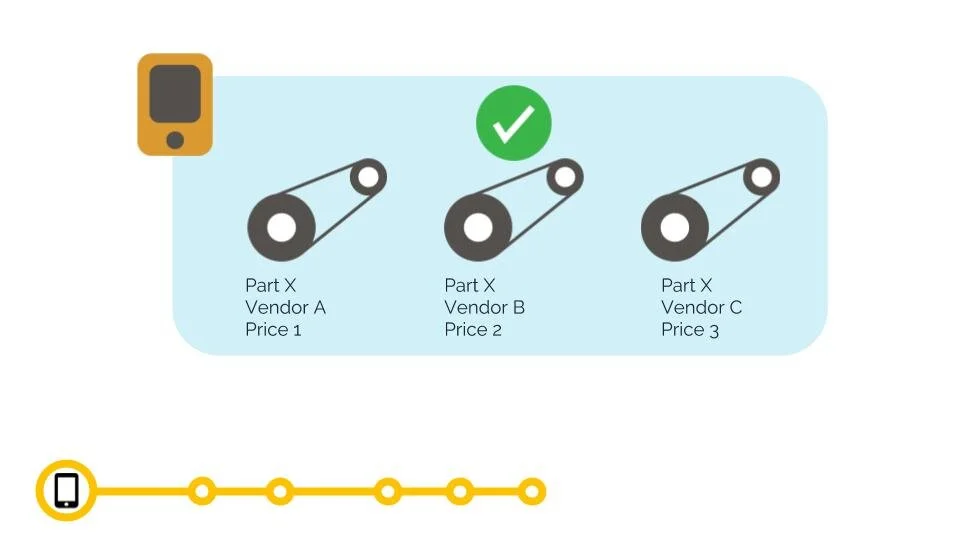
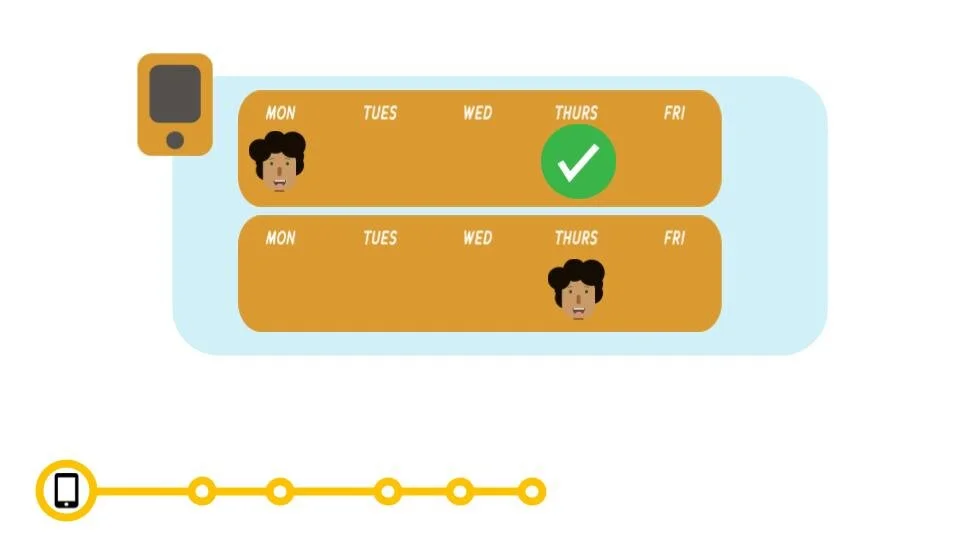
With our deadline fast approaching, we planned to present an interface that demonstrated the main capabilities of our concept: prediction, purchasing, and scheduling.
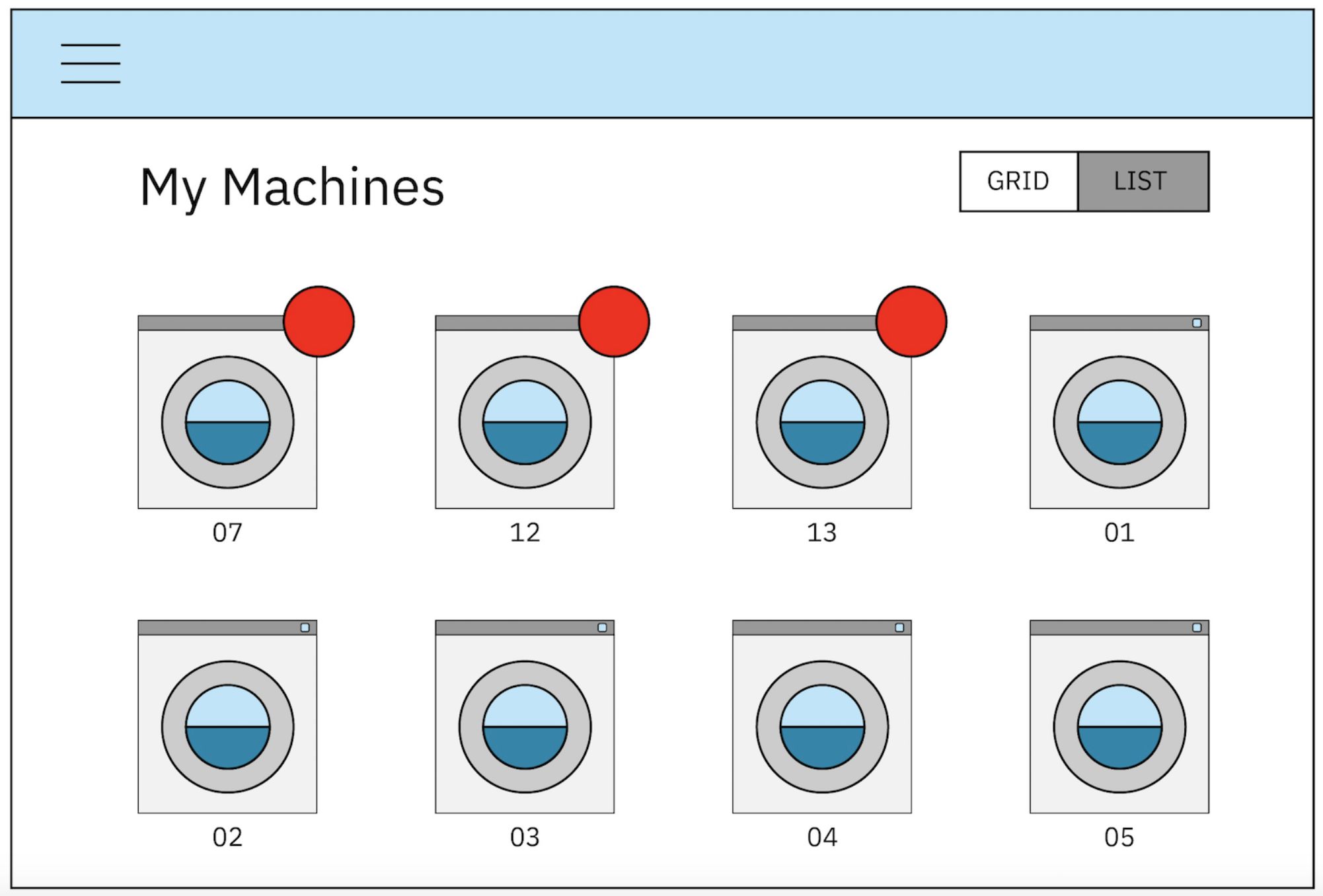
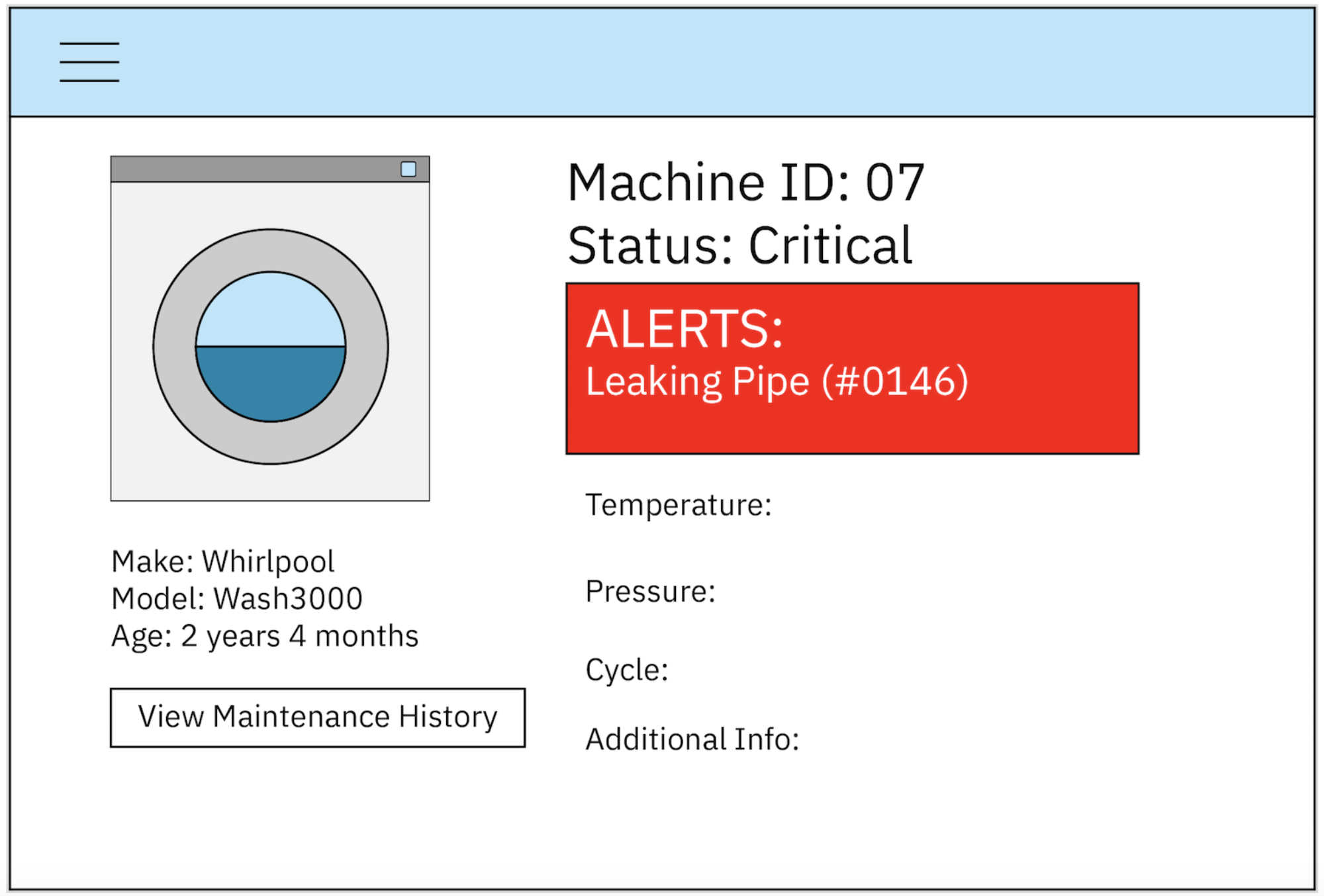
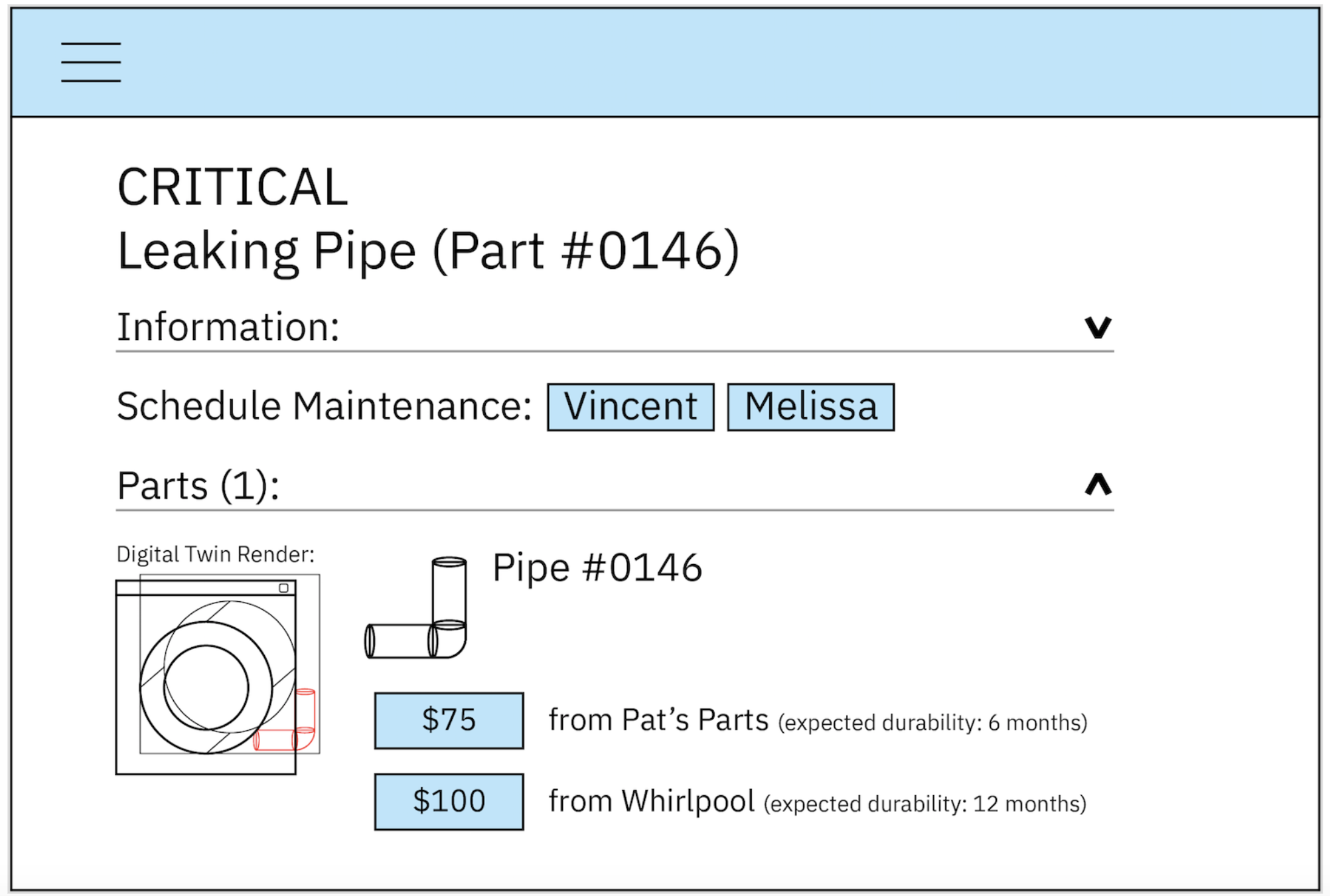
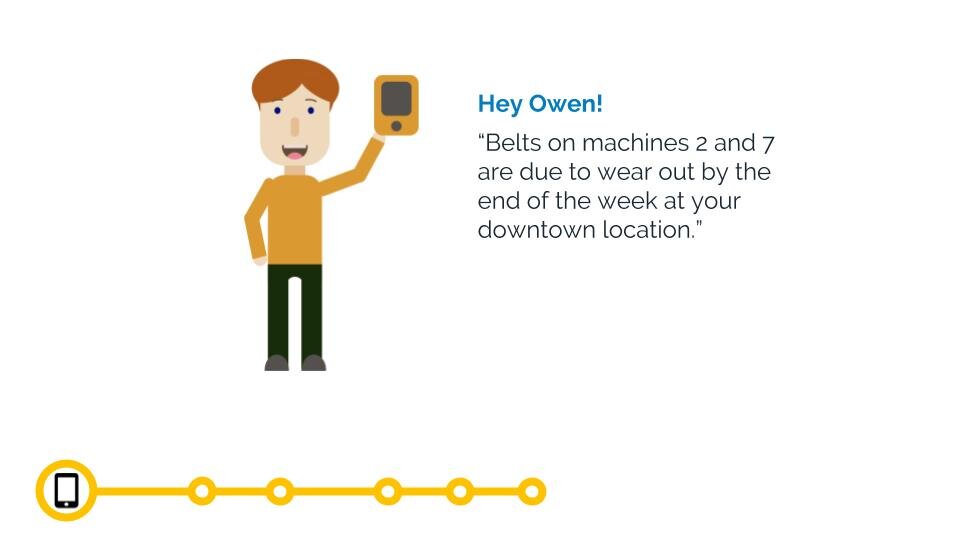
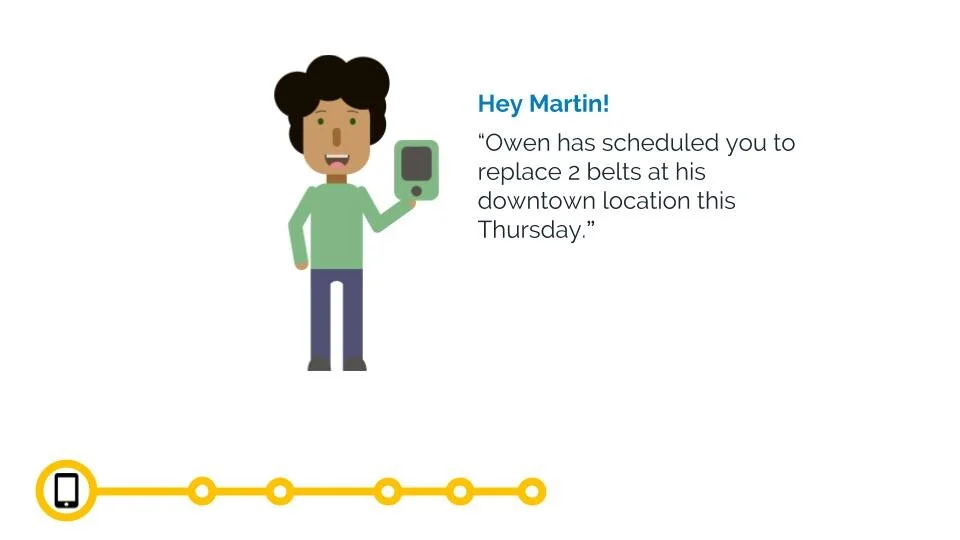
Our screens communicated the point, but not the story. Quickly, we pivoted away from designing the interface and instead decided to put our resources toward telling a compelling story about our user. Foregoing a robust UI allowed us to focus on conveying the emotional appeal of our user’s journey to our audience.
I used Adobe Illustrator to create a set of custom illustrations to tell our story.
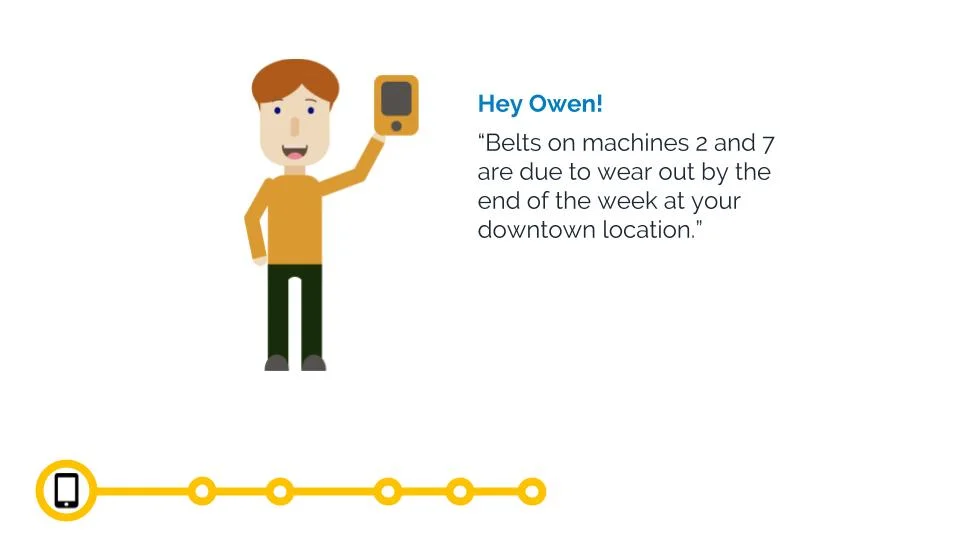
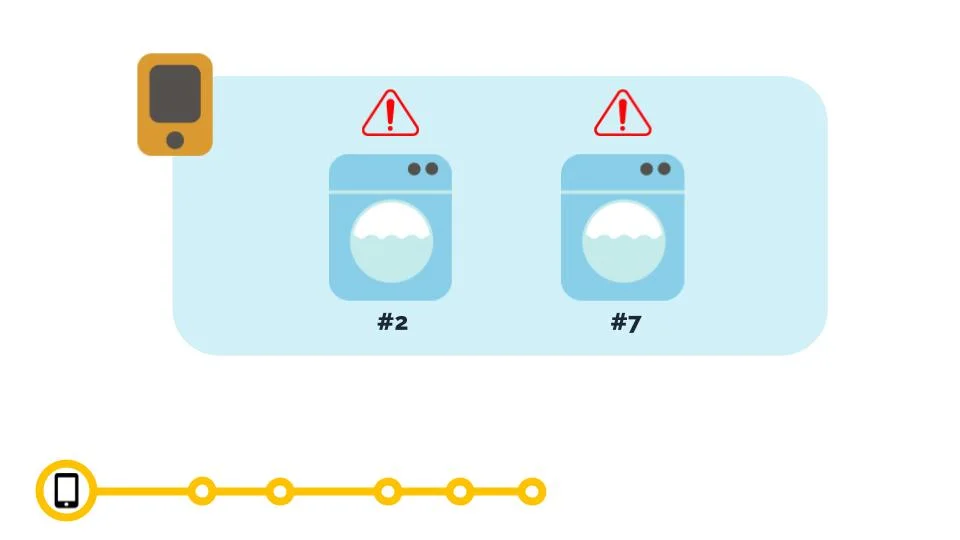
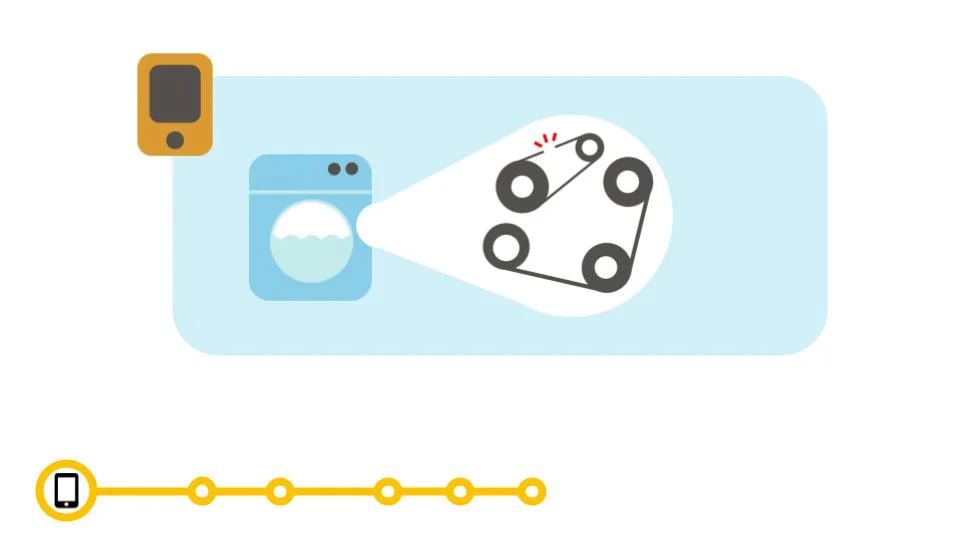
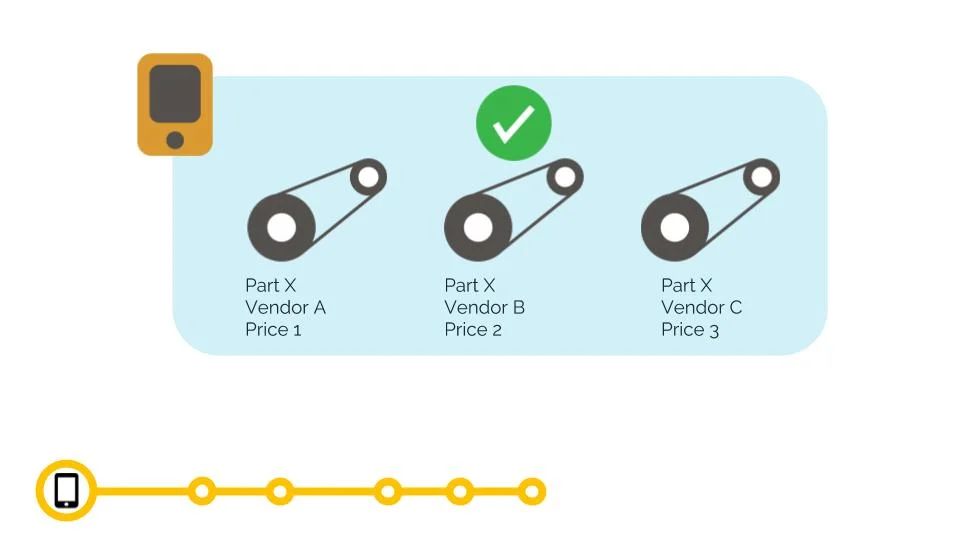
We named our product concept Sibyl after the oracles of Ancient Greece because of its predictive capabilities.
The Big Day
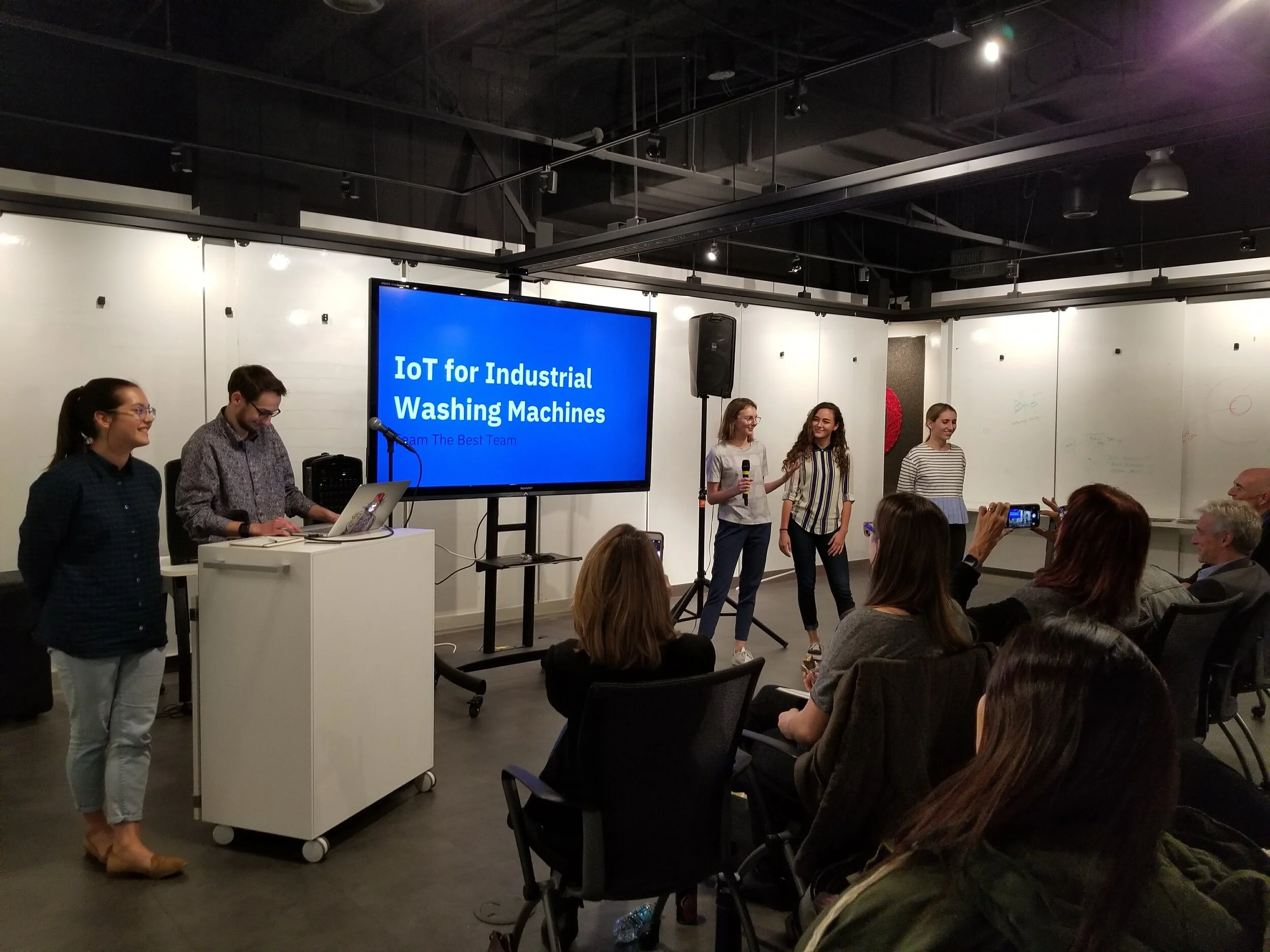
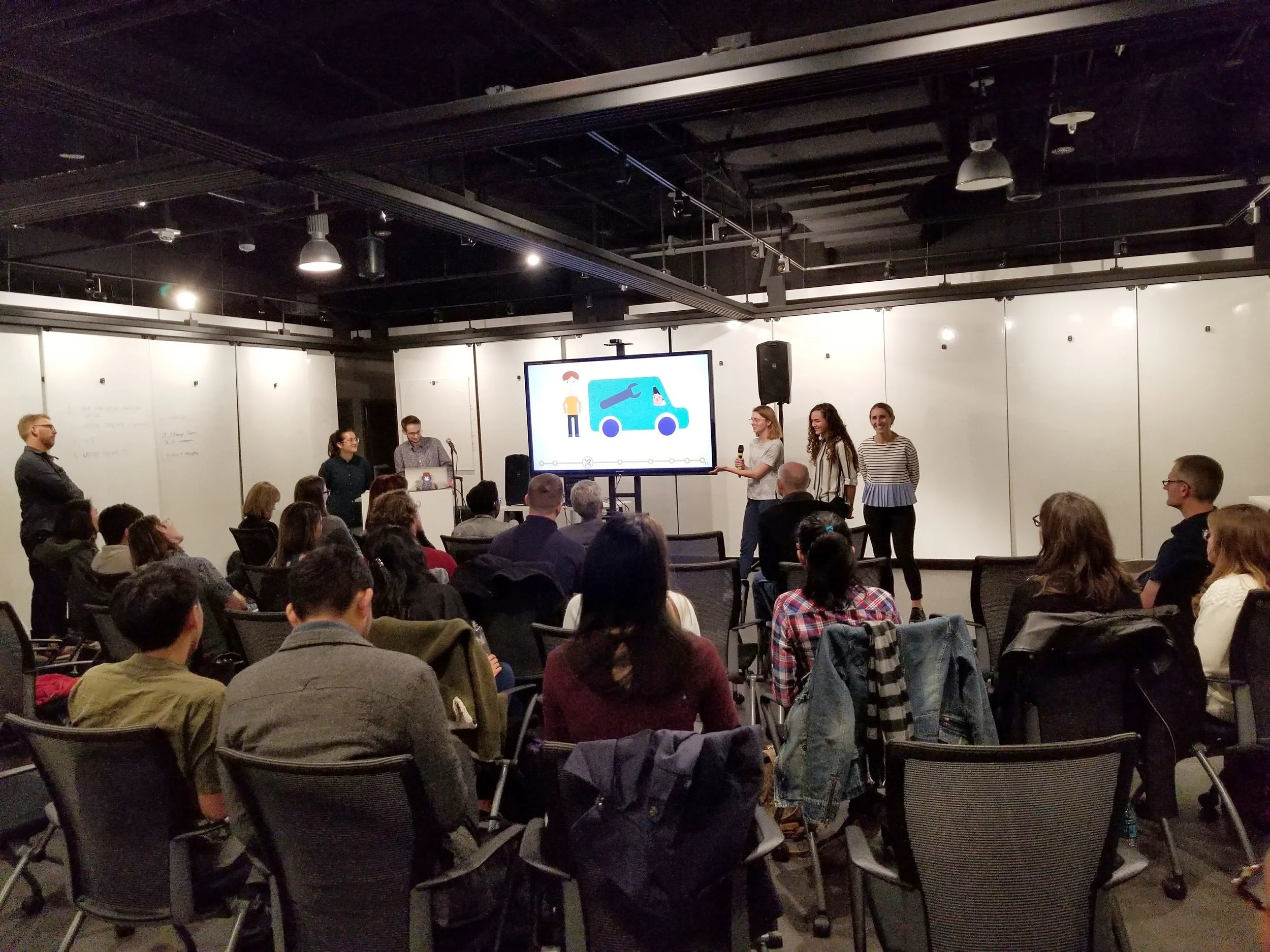
At the end of the sprint, our team took on the colossal challenge of making washing machines sound exciting to our audience. As well as presenting to people who were along for the ride all semester, we delivered our story to some who were hearing it for the first time. Our strategy was to express the problem as a story through the lens of Owen the Owner.
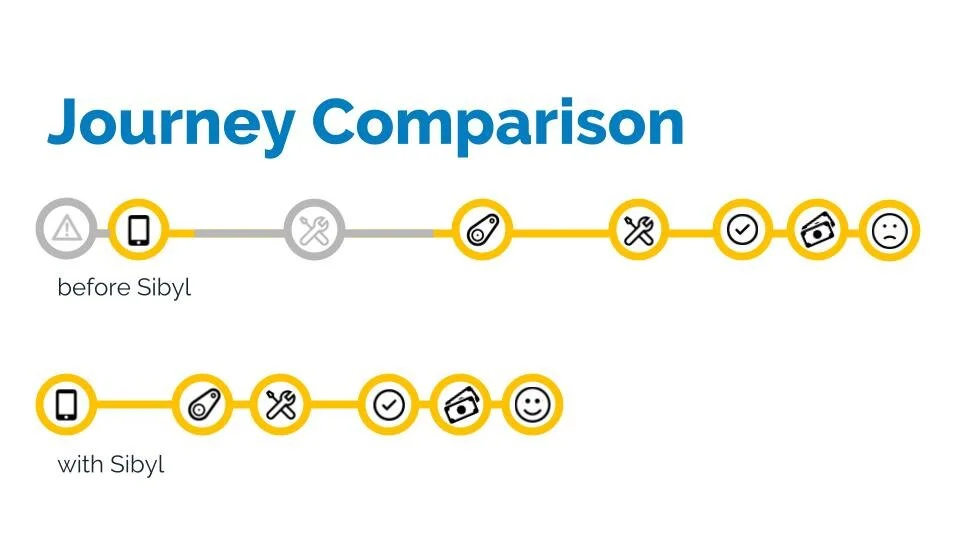
By presenting our as-is and to-be journeys back-to-back, we were able to highlight Owen’s pain when things go wrong and compare it to the relief he feels when Sibyl is in play. In the end, we didn’t need a product mockup to tell a good story or get buy-in from our audience.
As-Is User Journey

To-Be User Journey